
Mission
LevelUp helps regions turn talent into lasting economic growth.
We design and deliver applied learning pathways, venture-building programs, capital strategies, and institutional partnerships that connect talent to employer demand and regional opportunity.
- Core belief
- One program can create progress. A connected system creates momentum.
- Best for
- Governments, funders, employers, education and training institutions, and ecosystem partners responsible for long-term regional outcomes.
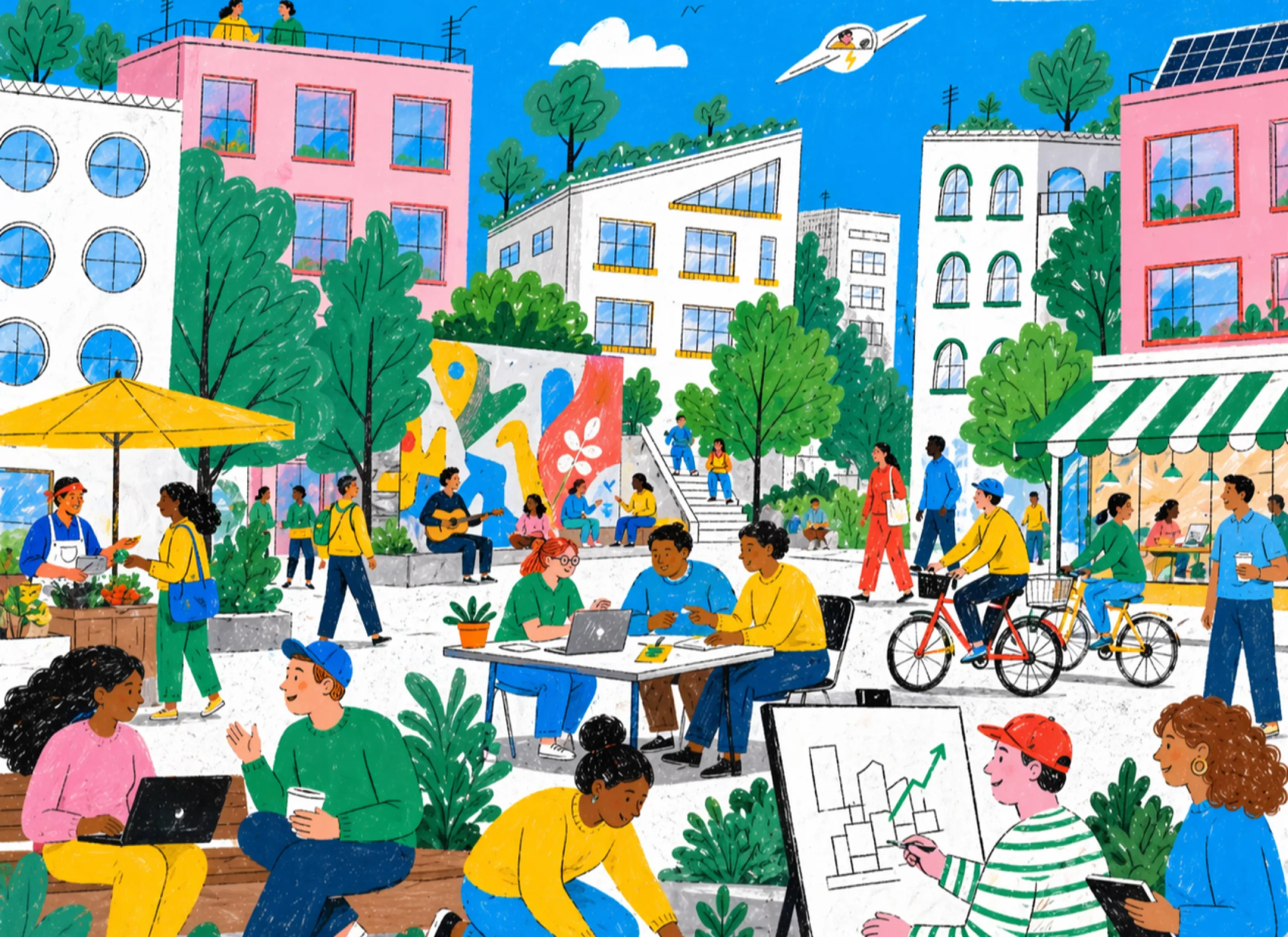
Building strong economies
Talent, ventures, capital, employers, and institutions — read as one system.
LevelUp is Seattle-based and works globally. Its work connects the parts of an economy that usually get planned, funded, measured, and delivered separately. Each pillar matters on its own; the advantage is designing them together, so each investment strengthens the next.
Why we exist
Most regions do not lack activity.
Capital philosophy
Capital can align stakeholders around one outcome.
What makes us different
We design education, venture support, and policy as one system.
Theory of change
How LevelUp moves from strategy to implementation.
Every engagement follows the same operating rhythm: diagnose the system, design the intervention, build the program, and make the evidence visible.
Step 01
Build capability
Create applied learning pathways, workforce pipelines, and employer-connected curriculum tied to real work and regional demand.
Step 02
Turn capability into output
Help learners, founders, teams, and institutions turn new skills into products, services, ventures, and pilots.
Step 03
Strengthen the conditions around growth
Align capital, engage employers, clarify institutional roles, and improve the policy and partnership environment around the work.
Step 04
Make the evidence visible
Use initiatives, case studies, reporting, and delivery data to show what is working, where momentum is building, and what should scale next.
Where the work has run
Where the model has been tested
The engagement record names where the work ran, who it was for, and what each effort was designed to solve.
Talent, employers, and operating model
Institutions and ecosystems
Capital and accelerators
Named initiatives
Go deeper
Three ways to assess the model.
Our approach
The intellectual center
Leadership and team
The people shaping the strategy
Partners and funders
The stakeholder logic
Next step
Start where the system is stuck.
If you are shaping a workforce, venture, capital, institutional, or ecosystem strategy and need the pieces to work together, start a conversation.